


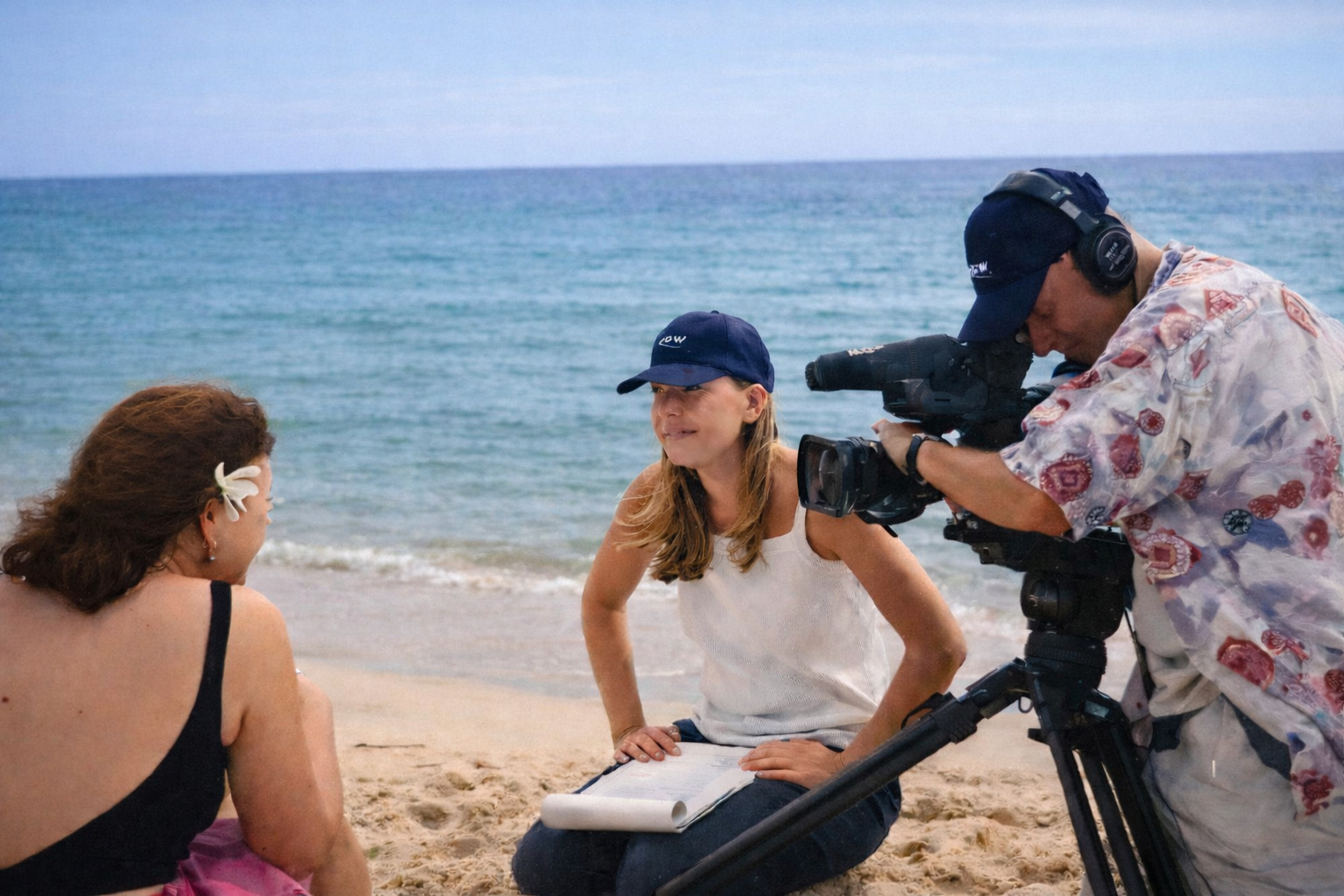
Bureaucratic Production Challenges: Why One Venice Beach Shoot can require up to Five Authorities.
For many European producers, filming in the United States feels familiar. The locations are iconic, the crews are highly professional, and the industry sets global standards for film and television production. Even finding experienced, German-speaking creatives is rarely difficult.
The real challenges aren’t creative — they are logistical.
International productions filming in the U.S. quickly encounter a production environment that is highly decentralized. Responsibilities are distributed across city, county, state, and federal levels, each operating independently.
Each authority has its own:
- Application processes
- Lead times
- Insurance requirements
- Fees
- On-site supervision and compliance conditions
Two filming locations just a few blocks apart can trigger entirely different requirements. A sidewalk interview, a drone shot, or a vehicle setup can each involve separate approvals. In many cases, a single scene requires permits from not one, but multiple authorities.
Film permits in the U.S. are not a simple administrative step. They are closely tied to insurance, liability, and compliance requirements — and directly determine what can and cannot happen on set.
Example: Venice Beach
A seemingly simple beach shoot in Venice Beach, one of the most frequently filmed locations in Los Angeles, may require approvals from up to five different authorities. Additional permissions may apply depending on drone use or filming in high-traffic public areas. Once talent, vehicles, lighting, or larger technical setups are involved, the number of stakeholders increases quickly.
Los Angeles is one of the most heavily filmed cities in the world, supporting thousands of film, television, documentary, and commercial productions each year. As a result, highly sought-after filming locations are often booked weeks in advance. Productions planning on short notice may find that preferred locations, staging areas, or specific filming windows are no longer available.
What many international productions underestimate is that securing film permits in California is not only about lead time; it is about timing decisions correctly. Permitting requirements are directly shaped by creative and logistical choices. Crew size, equipment footprint, vehicle access, drone use, and shooting schedule all influence which authorities must approve the production and how long it will take to get a permit.
To secure the desired locations and make the process as efficient as possible, early coordination is key. It also protects the creative vision by reducing the risk of last-minute compromises or costly delays.
Next week at #FritziAndFranInsights:
Insurance and Liability when filming in the US — the invisible framework that determines what productions can (and can’t) do on set.